
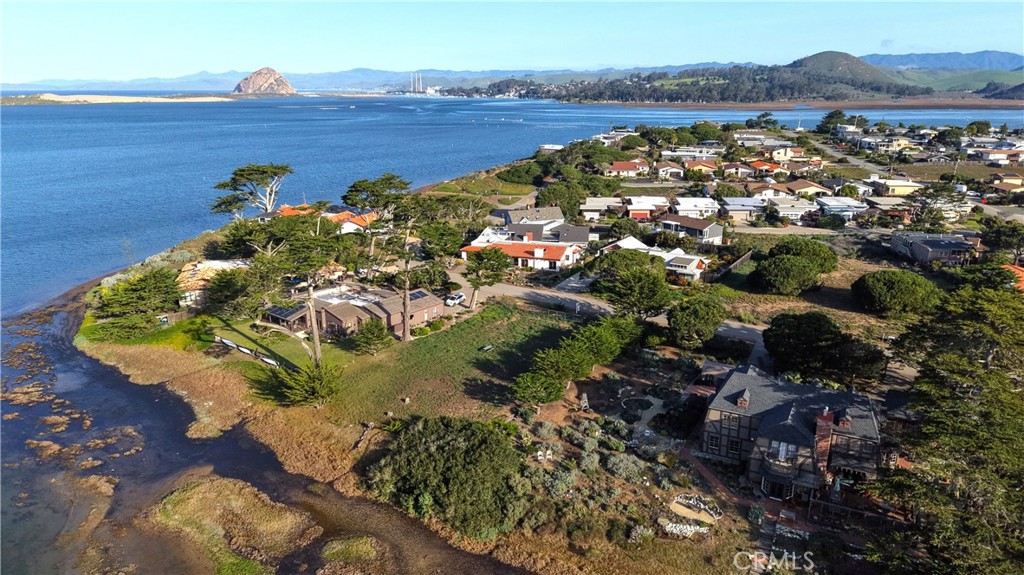
From the first decision to the keys-handed-over closing. What we'd cover in a listing meeting, written down so you can read it before you call.
Selling a home isn't a single decision — it's a sequence of them, made in roughly the same order every time. The eight steps below cover what we walk every seller through, from the why behind the move to the final paperwork.
If you're not sure where you are in the process, start at the top. If you've already decided to sell and want to skip to pricing or marketing, jump to step two or four. Either way, the team at Bear Valley is happy to talk through any step at the office or by phone, (805) 528-0100.
Before we talk numbers, talk reasons. Are you trading up, downsizing, relocating for a job, settling an estate, freeing capital, exiting an investment? The answer shapes everything that follows — pricing strategy, the close timeline you'll accept, the contingencies that are negotiable, and the terms you actually care about.
Sellers who can articulate their priorities up front usually end up with cleaner negotiations and faster closes. The clearer you are with your agent, the better the strategy.
Pricing is the single biggest decision you make as a seller, and the most common place sellers go wrong is by stretching. A price set above the comparable sales rarely produces a higher closing number — it produces a longer time on market, fewer showings, and a stale listing the market starts to discount.
Priced at the comp range, you get the most agent interest in the opening weekend, the most buyer eyes, and — counter-intuitively — the highest probability of a competitive offer or two. We'll walk you through the comps your home actually compares to and recommend a price strategy from there.
Before a listing photo gets taken, the property has to be ready. That means decluttering — most homes need less furniture and fewer personal items than they currently have — and depersonalizing enough that a buyer can imagine themselves living there. Family photos come down, half-finished projects get finished, the garage gets sorted.
Minor repairs go on the list: a touch-up paint pass, a working garbage disposal, the loose handrail on the back step. Most sellers don't need a full renovation; they need the place to read as cared for. A deep clean before photo day is non-negotiable.
Once the home is ready and priced, the listing goes live. The opening three weeks generate the majority of activity, so we front-load the marketing: professional photography, MLS entry, syndicated listings on the major portals, social and email pushes through the agent network, and — for higher-end properties — print or signage as the home warrants.
The goal isn't volume of impressions; it's the right buyer seeing the listing fast enough to act on it.
When offers come in, the headline price is only part of the picture. We verify the buyer's pre-approval and lender, then look at the terms behind the number: financing type, contingencies, inspection window, the deposit amount, the close date, and what the buyer is asking the seller to cover.
A lower headline offer with cash, no contingencies, and a flexible close is sometimes a better deal than a higher offer with five contingencies and a tight timeline. We'll lay each one out side by side.
Once you accept an offer (or land at terms through counter-offers), the home enters escrow. The signed contract sets the rules for what happens next: the buyer's deposit, the financing path, the inspection rights and repair allowances, the contingency deadlines, the close date, and which side pays which fees.
The terms you negotiated in step five drive the next 30-to-45 days. We coordinate with the buyer's agent, escrow, and title on your behalf.
Once escrow opens, the buyer's inspection period begins, typically 10 to 17 days depending on the offer. Their lender orders an appraisal in the next few. From those two reports, repair requests or price adjustments may surface, most of which are normal, some of which need negotiating.
In the meantime, your side handles the final disclosures, schedules any agreed-on repairs, lines up movers, and starts wrapping the household. The closer you get to closing, the more we'll be checking off action items behind the scenes.
Just before closing day, you sign the seller documents at the title or escrow office (often by appointment, sometimes mobile). Then on closing day the buyer's funds wire in, the deed records with the county, and ownership transfers. Utilities transfer, keys, garage remotes, and any leave-behind appliance manuals go to the buyer.
From contract signing to keys in the new owner's hands is usually 30 to 45 days. If you've made it to step eight, the hard part was step two.
The first three weeks do the heaviest lifting. Here's where the budget and attention go during that window.
Daylight shoot, wide-angle interiors, exterior elevations, and (when the home warrants it) drone or twilight images for hero shots.
Listing goes to the regional MLS and syndicates from there to Zillow, Realtor.com, Redfin, and the major California portals.
Direct outreach to active buyer-side agents on the Central Coast — by email blast and by name for buyers we know are looking in your bracket.
New-listing announcement on Instagram, the brokerage's mailing list, and selected paid social to a buyer demographic that fits the home.
Postcard mailers to the surrounding blocks, a yard sign with agent contact, and sometimes a property brochure available at showings.
Each significant listing gets its own dedicated page with photography, floor plan, neighborhood notes, and an inquiry form routed directly to the agent.
When you bring Bear Valley a property to list, the first conversation produces a written strategy specific to the home — not a generic listing presentation.
A written read on which homes your property compares to, what they closed at, and where we'd recommend pricing.
A short list — never a renovation plan — of the touch-ups, repairs, and stages that will return the most on listing day.
Channels, timing, and budget for the first three weeks, mapped to your home's bracket and buyer demographic.
A realistic window from listing to keys-out, including the contingencies typical for the buyer type we expect.
The first conversation is no-obligation and on us. We'll come walk the property, pull the comps, and lay out a listing strategy in writing within a few days.